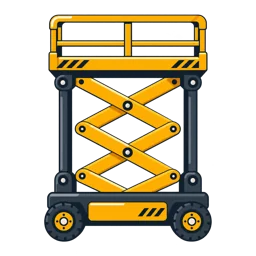
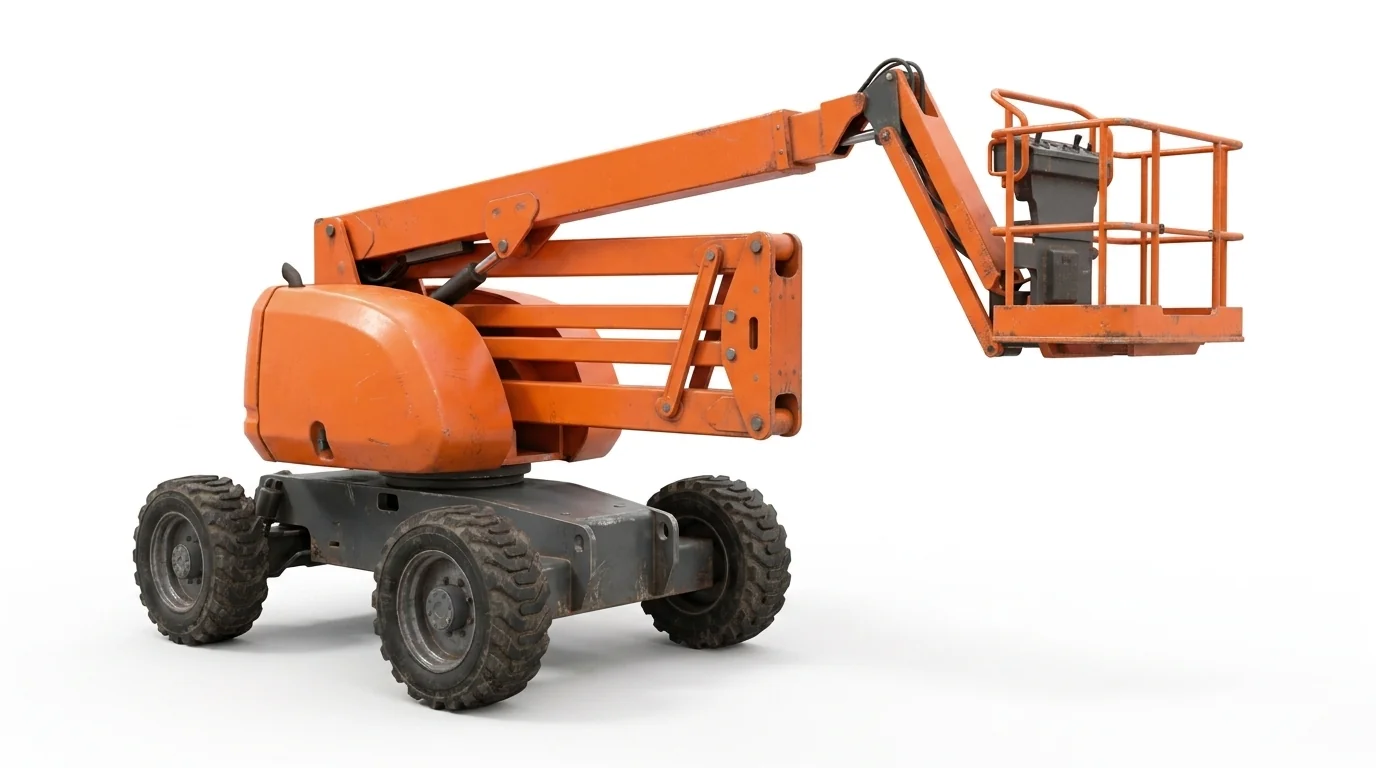
First question: can the machine sit below the task?
- Yes: Scissor lifts provide efficient vertical travel and larger work decks. See /electric-scissor-lift-rental/ for indoor slabs and /rough-terrain-scissor-lift-rental/ for exterior grades.
- No: Obstructions or setbacks call for booms. Start at /boom-lift-rental/ for articulating and telescopic options.
How Reading’s sites guide selection
- Warehouses and production lines: Smooth floors and low noise requirements suit electric scissor lifts and compact vertical masts at /vertical-mast-lift-rental/.
- Historic conversions: Mixed‑age concrete and tight corridors favor compact electrics; where ceilings are congested, an articulating boom navigates ducts and trusses.
- Hilly perimeter work: Slopes and unfinished ground often require rough‑terrain scissors or booms with appropriate tires and stance.
Platform envelopes and constraints
- Scissor lifts: Larger deck area for tools and two‑person tasks, provided the ground or slab supports the load.
- Articulating booms: Up‑and‑over geometry for work around equipment, mezzanines, and façade features.
- Telescopic booms: Straight reach for line‑of‑sight tasks with clear swing room.
Complementary equipment
- Move materials separately with /forklift-rental/ or /telehandler-rental/ to keep aerial platforms focused on personnel and tools.
- Temporary site control for exterior phases: See /temporary-fencing-barricades-rental/.
Keep the comparison specific
A useful equipment discussion starts with the work height, the practical machine position, the route into the area, the floor or ground along that route, and the people, tools, or material involved. Those details clarify whether vertical access, outreach, or material placement is the real constraint.