When a straight boom is the right geometry
- The target is high and offset, but not hidden behind structures.
- There’s enough setback to extend the boom without crowding into traffic or storage lanes.
- The work tracks along long runs of wall, lighting, or façade where repositioning is efficient.
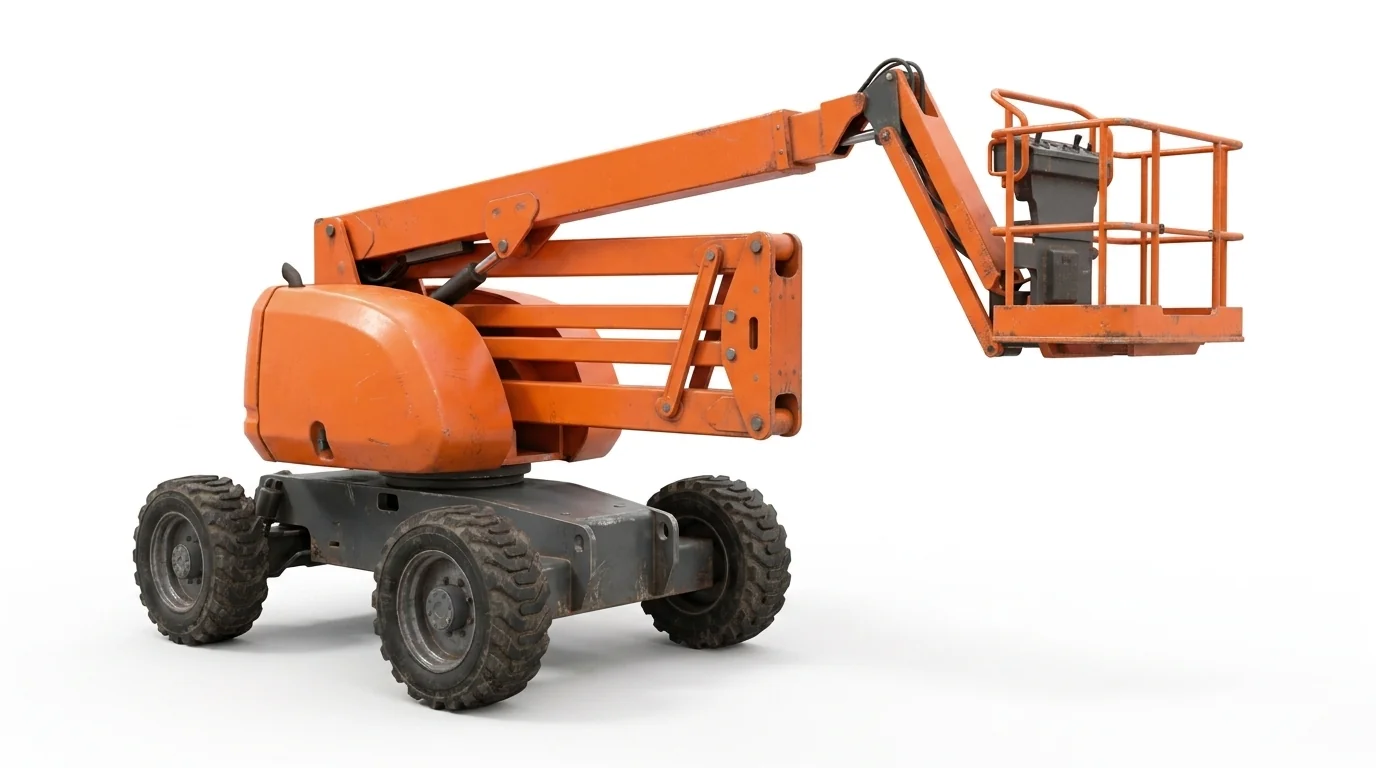
If you must reach up-and-over ducts, conveyors, or parapets, compare /articulating-boom-lift-rental/.
Reading-specific factors
- Valley floors vs. hills: Many sites are flat, but approaches toward the eastern neighborhoods can introduce grades and uneven shoulders. Engine-powered rough-terrain models suit outdoor approaches; indoor straight booms are uncommon due to size and emissions.
- Winter planning: Snow piles, freeze-thaw ruts, and ice reduce stable ground and narrow travel lanes. Confirm surface integrity along the full route, not just at the final setup point.
- Redevelopment constraints: Older complexes being converted may have tight inner courts; verify turning radius and stowed length for safe entry and staging.
Measurements that narrow the model
- Required working height and horizontal reach from the planned base position.
- Minimum lane width and turning space for transport and setup.
- Ground bearing capacity and surface type along the path and at the work area.
- Wind exposure for exterior elevation work; follow unit instructions and site procedures.
Typical Reading applications
- Long exterior runs for panel repair, painting, or glazing on wide-load docks.
- Lighting, camera, or façade attachment on clear aprons.
- Roof-edge work on single-story plants with open setbacks.
Related equipment
- Need to bend over parapets or reach behind process equipment? See /articulating-boom-lift-rental/.
- Vertical-only tasks on finished slabs inside distribution buildings: /electric-scissor-lift-rental/.
Planning note
Actual conditions, unit instructions, and job procedures govern elevated exterior work. Confirm ground conditions during winter and after heavy rain before selecting a straight boom.