Decide by ground, grade, and work height
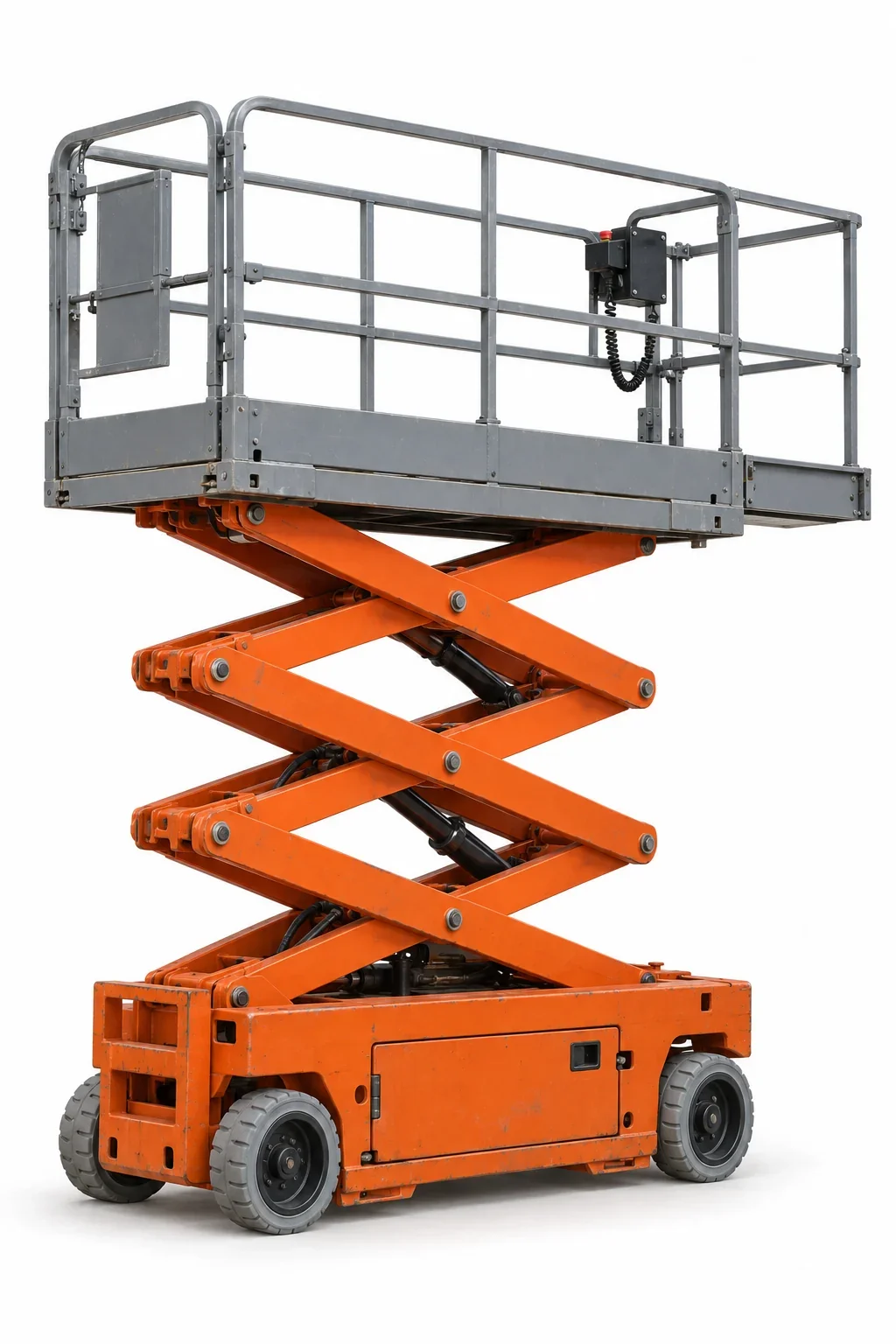
- Can the machine set up near grade without slab support? Rough‑terrain platforms handle uneven, unfinished surfaces.
- How much slope is present on approach and at the work zone? Hilly terrain around the city can limit where a platform can position.
- Does the task need a wider deck for multiple trades? Exterior runs along façades benefit from larger platforms.
Local conditions that matter
- Freeze‑thaw cycles: Wet, then frozen surfaces reduce traction and may delay exterior work windows.
- Mixed redevelopment parcels: Older sites can include buried features and soft spots; travel paths need firm support for machine weight.
- Transition zones: Moving from street to site can involve curbs, ramps, and temporary stone—plan clear access routes.
When rough‑terrain makes sense vs. other lifts
- Long, straight façade work with room below favors rough‑terrain scissors.
- If obstacles or setbacks require up‑and‑over reach, consider articulating or telescopic booms at /boom-lift-rental/.
- Interior phases during winter may shift to /electric-scissor-lift-rental/ for continuity.
Coordination with materials and trades
- Keep bulk materials off the platform; use /telehandler-rental/ or /forklift-rental/ to feed work zones so personnel have clear deck space.
Keep the comparison specific
A useful equipment discussion starts with the work height, the practical machine position, the route into the area, the floor or ground along that route, and the people, tools, or material involved. Those details clarify whether vertical access, outreach, or material placement is the real constraint.